


Exploring the psychology of gambling in casinos

The Allure of Gambling
The psychological allure of gambling in casinos can be attributed to a combination of factors that entice individuals into the gaming experience. One of the most significant draws is the thrill associated with risk-taking and the uncertainty of outcomes, especially when players consider options like uk casino fast withdrawal methods that promise quicker access to their winnings. The anticipation of winning can trigger excitement and adrenaline, leading players to engage more profoundly than they might in other recreational activities. This blend of excitement fuels a desire for the next win, often overshadowing the potential financial risks involved. The unpredictability associated with gambling can be exhilarating, drawing in both casual players and those seeking a more intense experience.
Moreover, casinos are designed to be visually stimulating environments that enhance the psychological experience of gambling. Bright lights, engaging sounds, and the constant movement of people contribute to a sense of euphoria, creating an atmosphere where players feel more alive and invigorated. This deliberate design impacts one’s mood and decision-making processes, making it easier for players to overlook the long-term consequences of their gambling behaviors. The sensory overload can create a state of heightened arousal, often leading individuals to gamble more than they had initially planned.
Furthermore, the social aspect of gambling plays a crucial role in its allure. Many individuals visit casinos not just for the games, but for the social interaction they provide. The camaraderie among players and the excitement of sharing wins or losses can create a strong sense of community. This social connection can reinforce gambling behaviors, as individuals may be more likely to continue betting in an environment filled with encouragement and shared enthusiasm. When surrounded by others who share a similar passion, the experience becomes more than just about winning; it evolves into a social event that fosters a sense of belonging.
The Role of Cognitive Biases
Cognitive biases significantly influence how individuals perceive their gambling experiences and outcomes. One common bias is the illusion of control, where gamblers believe they have power over random game outcomes. Players often think that by employing specific strategies or rituals, they can sway the odds in their favor. This leads to overconfidence and can result in more frequent gambling, as players chase their belief of being able to predict or influence the game. This bias can cause players to ignore statistical realities, leading to potentially harmful betting behavior.
Another bias is the gambler’s fallacy, where individuals erroneously assume that future probabilities are influenced by past events. For instance, a player might believe that after a series of losses, they are « due » for a win. This line of thinking undermines the random nature of gambling games and reinforces a cycle of betting that can lead to financial harm. Understanding these biases is essential for both players and casino operators, as they highlight the psychological factors that can perpetuate gambling behaviors. Recognizing these patterns can help individuals make more rational decisions during their gaming experiences.
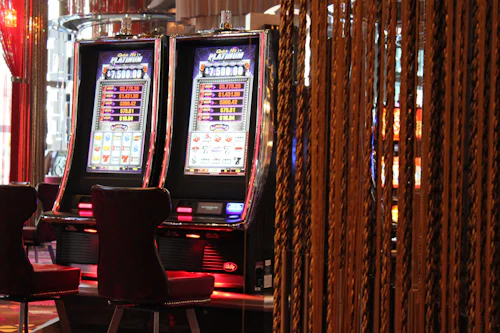
Additionally, casinos capitalize on these cognitive biases through marketing techniques and game design. For example, slot machines are often programmed to provide near-misses—situations where players come very close to winning without actually winning. This design exploits the gambler’s fallacy and keeps players engaged, as they believe that victory is within reach. The use of such tactics can intensify the emotional response of players, making it crucial for them to understand the psychological components at play when they engage in gambling activities.
The Impact of Emotions on Gambling Behavior
The emotional state of a player significantly influences their gambling behavior and decision-making processes. Positive emotions, such as excitement and joy, can lead to more liberal betting, as players may feel emboldened by their good fortune. Conversely, negative emotions like frustration or sadness can result in impulsive gambling decisions, as individuals seek to escape their emotional distress through the thrill of betting. This emotional rollercoaster can create a cycle of behavior that reinforces the gambling habit, often leading to a pattern of highs and lows that can be both thrilling and dangerous.
Moreover, the interplay between emotions and gambling can lead to risky behaviors, as individuals may chase losses in attempts to recover their previous investments. This “loss-chasing” mentality can lead to higher financial stakes, deepening the player’s involvement in the gambling cycle. Recognizing this emotional influence is critical for understanding how quickly a recreational activity can transform into a problematic behavior. Individuals may find themselves in a vicious cycle, where their emotional state drives their gambling decisions, leading to further emotional turmoil.
The concept of emotional regulation also plays a vital role in gambling psychology. Players who struggle to manage their emotions may find themselves more vulnerable to the seductive nature of casinos. Conversely, those who develop healthy coping strategies are better equipped to enjoy gambling as a form of entertainment without falling into the traps of excessive play or addiction. Therefore, emotional awareness and regulation are crucial components of a balanced gambling experience, allowing individuals to enjoy the thrill while maintaining control over their actions.
The Role of Environment and Social Influence
The environment of a casino is meticulously crafted to stimulate engagement and prolong the gambling experience. The layout of the gaming floor, the presence of free drinks, and the absence of clocks are all intentional designs that keep players immersed in the gaming atmosphere. These environmental factors can heighten arousal and encourage longer play sessions, as players often lose track of time and money spent in such settings. This designed chaos can create an intoxicating experience that makes it challenging for individuals to leave the gaming floor.

Social influences also play a crucial role in shaping gambling behavior. Peer pressure can significantly impact an individual’s decision to gamble and the amount they choose to wager. Friends or acquaintances who are enthusiastic about gambling can sway others to participate, creating a shared sense of fun and excitement. This social dynamic can sometimes lead individuals to gamble beyond their means, fueled by the desire to fit in or impress peers. The social environment can amplify individual choices, leading to a collective behavior that often ignores personal limits.
Additionally, community norms surrounding gambling can normalize certain behaviors, making excessive gambling seem acceptable or even desirable. Regions where casinos are prevalent might foster an environment where gambling is viewed as a standard form of leisure, further embedding it into the culture. Understanding these environmental and social influences is essential for recognizing how they contribute to gambling psychology and behavior. The acceptance of gambling as a social activity can perpetuate a cycle where individuals feel compelled to engage, regardless of their personal circumstances.
Understanding Gambling Responsibility and Awareness
As the understanding of gambling psychology deepens, so does the awareness of responsible gambling practices. It is crucial for both players and casinos to promote a healthy approach to gambling to mitigate the risks of addiction and financial loss. This includes educational initiatives that inform individuals about the risks associated with gambling, as well as resources for those who may be struggling with their habits. Promoting awareness can empower individuals to recognize the signs of problematic gambling and seek help when needed.
Many casinos have started implementing measures to encourage responsible gambling, such as self-exclusion programs or limits on betting amounts. These initiatives are designed to empower players to make informed choices about their gaming experiences and recognize when to walk away from the gaming floor. By fostering a culture of responsibility, casinos can contribute to a healthier relationship between individuals and gambling. It is essential for casinos to provide clear communication about these resources to ensure that players are aware of their options.
Furthermore, providing access to support services for individuals affected by problem gambling is vital. Organizations dedicated to helping those with gambling issues can offer counseling, support groups, and resources for recovery. By emphasizing mental health and well-being, the gambling industry can take significant steps toward ensuring that enjoyment does not come at the cost of individuals’ financial and emotional health. Through these efforts, both players and casino operators can work together to promote a responsible gambling culture that prioritizes the well-being of all participants.