


Defeat the house: Game-changing psychology at Aphrodite Casino confirmed

Understanding Psychological Triggers in Gambling
The world of gambling is deeply intertwined with human psychology. Understanding the mental processes that influence betting behavior is crucial for both players and operators. Factors such as the thrill of potential rewards, the near-miss phenomenon, and the illusion of control can all contribute to sustained engagement with games of chance. These psychological elements are not accidental; they are often deliberately incorporated into the design of gambling environments to enhance the player experience and, from an operator’s perspective, to encourage longer play sessions. For more information on responsible gambling initiatives, please visit aphrodiite.org.uk.

One of the most significant psychological drivers is variable ratio reinforcement. This principle, observed in operant conditioning, describes a reward system where a desired behavior is reinforced at unpredictable intervals. In gambling, this translates to the intermittent nature of wins. The anticipation of a win, even after a series of losses, keeps players engaged, as the possibility of a significant payout remains ever-present. This unpredictability is far more potent in maintaining behavior than a consistent reward schedule.
The Illusion of Control and Superstitious Behavior
Many gamblers develop a belief that they can influence the outcome of games, even those based purely on chance. This « illusion of control » can stem from various sources, including personal rituals, lucky charms, or a misunderstanding of probability. For example, a player might develop a specific way of rolling dice or spinning a roulette wheel, believing this action impacts the result. Such behaviors are reinforced by occasional coincidental successes, further solidifying the gambler’s conviction in their ability to control the uncontrollable.
Superstitious beliefs often accompany the illusion of control. These are irrational associations between actions and outcomes. A player might believe wearing a certain color or sitting at a particular spot will bring them luck. While seemingly illogical, these superstitions provide a sense of agency and comfort in a high-stakes, uncertain environment. They offer a coping mechanism for the inherent randomness of gambling, allowing players to feel more empowered, even if that empowerment is purely psychological.
Cognitive Biases Shaping Gambling Decisions
Gambling is rife with cognitive biases that can lead to suboptimal decision-making. The gambler’s fallacy, for instance, is the mistaken belief that if something occurs more frequently than normal during some period, it will occur less frequently in the future, or vice versa. This is particularly relevant in games like roulette, where a player might believe that after a series of red outcomes, black is « due » to appear. This ignores the fundamental independence of each spin.
Another common bias is the « sunk cost fallacy, » where individuals continue to gamble more money to try and recoup previous losses, rather than cutting their losses. The feeling of having already invested a significant amount can create a psychological imperative to keep playing, hoping to eventually break even. This can lead to escalating losses, as the initial investment, which is already gone, drives further, often detrimental, financial decisions.
Emotional Regulation and the Gambling Experience
The emotional roller coaster of gambling is a significant aspect of its appeal. The highs of winning can be exhilarating, while the lows of losing can be devastating. Many individuals use gambling as a form of emotional regulation, seeking to escape stress, boredom, or negative feelings. The intense focus required by some games can provide a temporary distraction from life’s problems, offering an escape that is both engaging and, for some, therapeutic in its immediate impact.
However, this emotional reliance can also be a slippery slope. As players become more accustomed to the emotional intensity of gambling, they may find it difficult to achieve similar levels of excitement or distraction through other means. This can lead to a cycle where gambling becomes the primary coping mechanism, increasing the risk of problem gambling. The ability of casinos to maintain an atmosphere of excitement and reward is a testament to their understanding of these emotional dynamics.
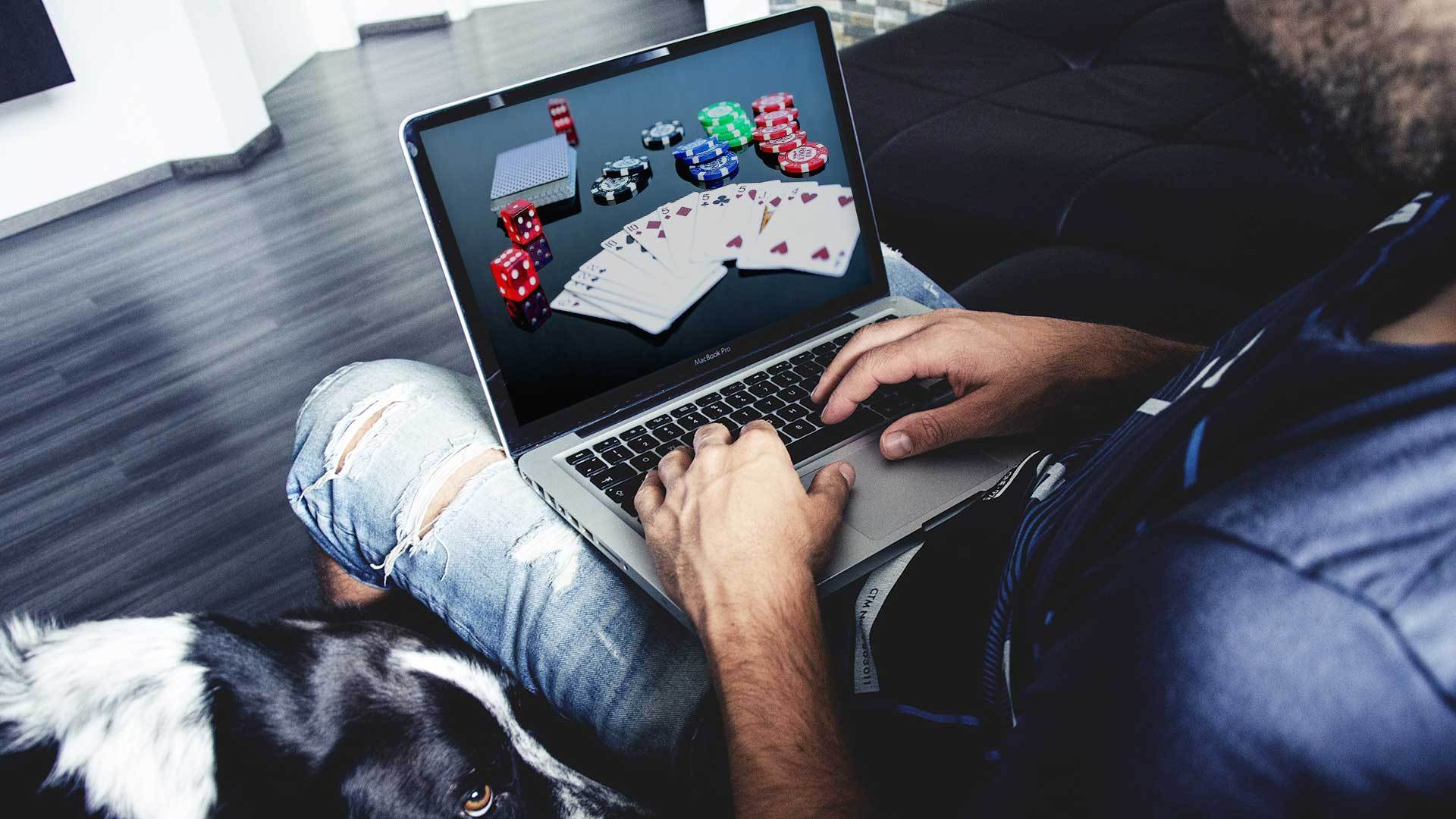
Aphrodite Casino: Harnessing Psychological Insights
Aphrodite Casino, like many modern gambling establishments, likely employs sophisticated strategies informed by psychological principles. While the title suggests a definitive confirmation of « game-changing psychology, » it points towards a casino environment that is attuned to player behavior. This could manifest in the design of their games, the bonuses they offer, and the overall atmosphere they cultivate to engage players on a psychological level, aiming to provide an immersive and potentially rewarding experience.
The success of any online casino, including Aphrodite Casino, often hinges on its ability to understand and cater to the psychological drivers of its clientele. This means creating games that are both engaging and fair, while also offering a secure and exciting environment. By acknowledging and leveraging the psychological aspects of gambling, Aphrodite Casino, and others like it, aim to provide a captivating experience that encourages players to return, fostering a dynamic interplay between player psychology and the casino’s operational strategy.